

Breath test for SIBO (small intestinal bacterial overgrowth)
A simple, non-invasive test to detect if excess bacteria in the small intestine is the cause of your indigestion, gas, or diarrhea.
We call you
Error: Contact form not found.

Detects small intestinal bacterial overgrowth (SIBO)

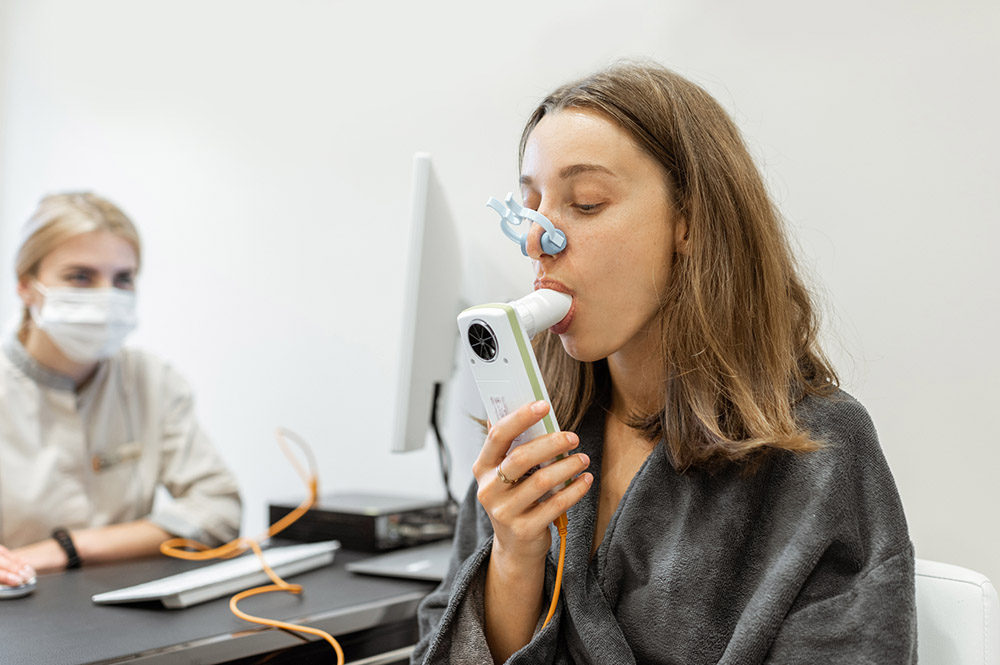
Simply breathe into a device, without needles or pain.

Results in as little as 72 hours

It allows for targeted treatment for your digestive symptoms

Safe, fast test available at Ribera Lab centers
What is the SIBO breath test?
El sibo Small intestinal bacterial overgrowth (SIBO) is a condition in which there is an excess of bacteria in the small intestine. This causes food fermentation, gas, and unpleasant digestive symptoms.
El lactulose or glucose breath test measures the amount of hydrogen and methane in the air exhaled after ingesting a specific sugar. High values indicate bacterial overgrowth.
Is the benchmark test to diagnose SIBO non-invasively.
Who is it for?
People with chronic symptoms such as:

Abdominal swelling
Excessive gas
Recurrent diarrhea or constipation
Patients with multiple intolerances or that do not improve after changing their diet.
People with a history of:
Abdominal surgeries
Irritable bowel syndrome (IBS)
Inflammatory bowel diseases.
Previous preparation
To ensure reliable results:
Do not take antibiotics, laxatives or probiotics 4 weeks before
Do not undergo colonoscopy, enemas, or bowel cleansing in that period
24 hours prior: diet low in fiber and fermentable sugars
Avoid fruits, vegetables, legumes, bread, cereals, and sweets
Fast from 8–12 a.m. on the day of the test
Do not smoke, chew gum, or engage in strenuous exercise. before or during the test
Brushing your teeth with water only or sugar-free pasta before going
How is the test performed?
It is a safe, painless and comfortable procedure.

Step 1:
The patient blow into a device to measure baseline gases (hydrogen and methane).
Step 2:
Drink a solution containing lactulose or glucose. dissolved in water.

Step 3:
The air collection is repeated every 20–30 minutes expired for 2–3 hours.
Step 4:
The laboratory is analyzing whether there are anomalous spikes. of hydrogen/methane that confirm bacterial overgrowth.
Results and next steps
The report will indicate if there is evidence of SIBO and the predominant type of gas (hydrogen, methane, or mixed).
This data helps to guide the most appropriate treatment (specific antibiotics, probiotics, dietary changes).
If the result is positive, follow-up with a digestive specialist or nutritionist is recommended.
Post-test tips
If the result is positive, follow the medical and nutritional recommendations.
Adjusting your diet and treating the underlying cause can significantly improve your symptoms.
Follow-up with your specialist may include repeating the test after treatment.