
PCR test for STDs (Sexually Transmitted Infections)
Quickly and accurately detects the most common sexually transmitted infections. Confidential results, no prescription required.
We call you
Error: Contact form not found.

Results in a few days

Simple test on urine or swab

Total confidentiality

Without a prescription
What is the STD PCR test?
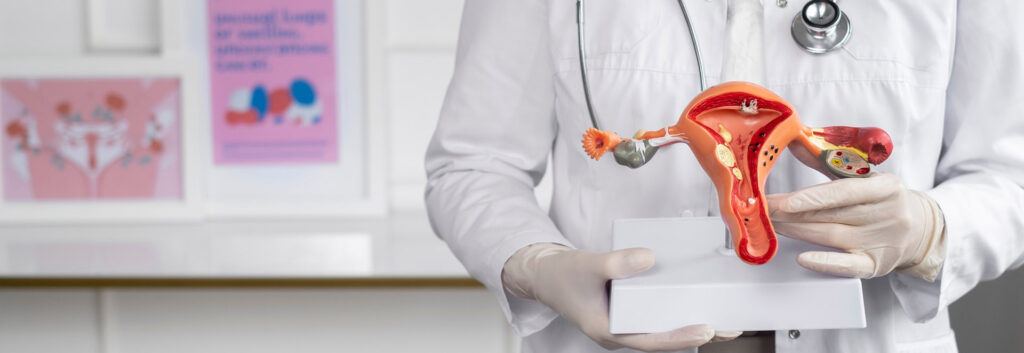
The PCR test for STIs is an analysis that detects the DNA of the main microorganisms that cause sexually transmitted infections (STIs). It is more sensitive and faster than other methods, allowing for:
✓ Start treatment quickly and avoid infecting your partner.
✓ Early diagnosis, even before symptoms appear.
✓ Identify multiple pathogens at once.
Who is it indicated for?
✓ People with symptom such as burning, discharge, ulcers, pain when urinating, or bad odor.
✓ People with new sexual partners or unprotected sex.
✓ After a risk relationship (condom breakage or unprotected contact).
✓ As rpreventive revieweven if there are no symptoms.
When should I get tested?
PCR allows the infection to be detected. a few days after the exhibition (from 7–10 days, depending on the microorganism).
If you want to rule out other infections such as HIV, syphilis, or hepatitis, we recommend combining this test with serologieswhich require a slightly longer window period.
What does this test detect?
At Ribera Lab we offer two options:
Basic Panel
(2 most frequent pathogens):
- Chlamydia trachomatis (chlamydia)
- Neisseria gonorrhoeae (gonorrhea)
Enlarged Panel
(14 pathogens):
It includes the two previous ones and also:
- Herpes simplex virus (HSV 1 and 2)
- Gardnerella vaginalis
- Candida albicans
- Haemophilus ducreyi
- Group B Streptococcus
- Trichomonas vaginalis
- Ureaplasma parvum
- Ureaplasma urealyticum
- Mycoplasma genitalum
- Mycoplasma
- Treponema pallidum
How is the test performed?

Step 1:
Panel selection (basic or extended).
Step 2:
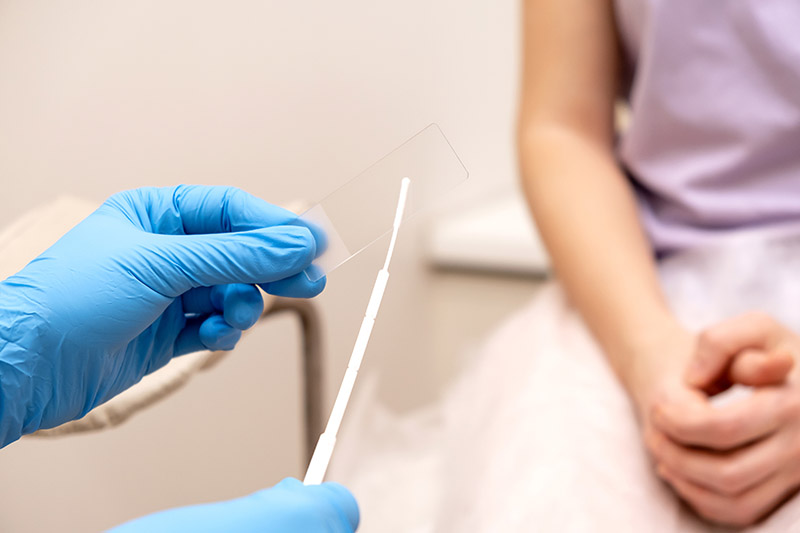
Simple sample collection:
First urination urine.
Exudate (vaginal, cervical, urethral, rectal or pharyngeal, depending on the sexual practice).
Step 3:
We processed the sample using PCR technology.
Step 4:
You collect your results in a way confidential and fast.
Results
The report will clearly indicate if any pathogen is present. In case of a positive result:
We will guide you on the next steps and appropriate treatment.
We recommend informing and treating the partner as well.
In some cases, it may be necessary to repeat the test to confirm healing.
Prevention
Remember that the use of condoms, the Periodic revision and communication with your partner They are the best way to prevent sexually transmitted infections.